Introduction: Barbie’s Artistic Sojourn Amidst Hollywood Glamour
Los Angeles, CA – In a delightful departure from the world of cinema, Barbie, the globally beloved icon, recently paused her filming for “Barbie 2: Mars Mission” to immerse herself in the wondrous “Lumen: The Art & Science of Light” exhibition at the Getty Center. This exhibition, running from September 10 to December 8, intertwines the realms of art, science, astronomy, and religion from the Middle Ages, promising a profound exploration through the lens of light.
Diving into the Mysteries of the Middle Ages at The Getty Center
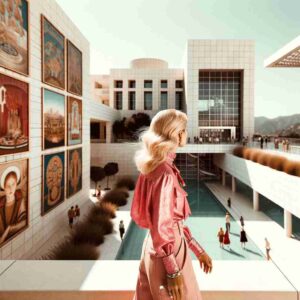
Barbie’s visit to “Lumen” was a journey into the heart of the Middle Ages, exploring the intricate relationship between celestial phenomena and artistic expression. This Pacific Standard Time (PST) Art series exhibition showcased how light was perceived and depicted across various religious traditions, revealing shared human fascinations.
Getty’s Eclectic PST Art Series: A Cultural Beacon
The Getty Center’s involvement in the PST Art series, including “Lumen,” highlights its commitment to showcasing diverse artistic explorations. Barbie’s visit was set against a backdrop of the Getty’s vibrant year of exhibitions, ranging from Bell Laboratories’ art-science fusion to in-depth studies of medieval astrology.
From Blood to Holograms: A Year of Diverse Themes at The Getty
The Getty Center’s calendar, brimming with thematic exhibitions, has been a testament to art’s boundless realms. Barbie’s visit to “Lumen” was preceded by exhibitions exploring blood, extreme weather, light abstraction, and the captivating world of holography, each enriching her understanding of art’s multifaceted nature.
FREE DOWNLOAD --> THE BARBIE SEQUAL SCRIPT
================================
The Transformative Role of Light in Medieval Artistry
At the heart of “Lumen” was the portrayal of light as a divine symbol in medieval art and religion. Barbie was fascinated by how artists of the time employed light to depict spiritual enlightenment and heavenly radiance, from stained glass artistry to the glow of illuminated manuscripts.
An Enlightening Artistic Voyage
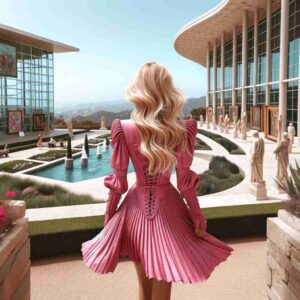
“Lumen” offered Barbie and other visitors a chance to dive into a collection of medieval artworks and manuscripts. These pieces intricately wove together art and science, demonstrating the era’s quest to understand celestial bodies, optics, and the manifestation of divine light.
Joining The Getty’s Celebration of Curiosity
Through “Lumen,” Barbie joined in a grand celebration of human curiosity and the desire to unravel the universe’s mysteries. The exhibition was a vivid reminder of the profound impact of studying light on artistic and religious expressions during the Middle Ages.
Barbie’s Inspirational Art Adventure at “Lumen”
Barbie’s time at the “Lumen” exhibition was more than just an artistic escape; it was an enlightening experience that sparked her imagination and deepened her appreciation for the interconnectedness of art, science, and spirituality.
Conclusion: Barbie’s Radiant Return to Filmmaking
As Barbie left the Getty Center, she carried with her the glowing inspiration from “Lumen.” This experience not only enriched her perspective on art and history but also promised to influence her portrayal in “Barbie 2: Mars Mission.” Ready to return to set, Barbie was eager to infuse her role with the depth and illumination she had absorbed from her visit to “Lumen.”
Olafur Eliasson: A Visionary in Environmental Art
Olafur Eliasson, the celebrated Icelandic-Danish artist behind the “Lumen” exhibition, is known for his large-scale environmental installations that seamlessly blend art with natural elements. His works at the Tate Modern and MOCA’s Little Tokyo location are testaments to his unique approach to art that challenges viewers’ perceptions and highlights critical environmental issues.
Barbie’s Message: Embracing Curiosity and Inspiration
As she prepared to leave, Barbie shared her heartfelt message, encouraging everyone to embrace curiosity and find inspiration in the world’s beauty and complexities. Her visit to “Lumen” was not just an exploration of art but a reaffirmation of the importance of curiosity and creativity in all aspects of life.
The Getty Center
The Getty Center, located in Los Angeles, California, is a unique destination in the world of art and culture. Here are some key aspects of the Getty Center:
- Location and Architecture: The Getty Center is situated in the Brentwood neighborhood of Los Angeles on a hilltop. It is renowned for its striking architecture, designed by architect Richard Meier. The design features a modernist style with clean lines and uses travertine stone extensively. The Center’s location offers panoramic views of Los Angeles.
- The J. Paul Getty Museum: The Getty Center is home to the J. Paul Getty Museum, which houses an impressive collection of European paintings, drawings, sculpture, illuminated manuscripts, decorative arts, and photography. The museum’s collection spans from the Middle Ages to the present.
- Notable Art Collections: The museum’s collection includes works by renowned artists such as Vincent van Gogh, Rembrandt, and Claude Monet. One of the most famous pieces in the collection is “Irises” by Vincent van Gogh.
- Gardens and Outdoor Spaces: The Center features beautifully landscaped gardens, including the Central Garden designed by artist Robert Irwin. The garden is an integral part of the visitor experience and is itself considered a work of art.
- Educational Programs and Research Facilities: The Getty Center is also known for its educational programs, public events, and research facilities, including the Getty Research Institute. These programs and facilities support the study of the visual arts and contribute to a greater understanding of art history and conservation.
- Photography Collection: The Getty Center has an extensive photography collection, showcasing works from the early days of photography to the present day.
- Visitor Experience: In addition to its art collections and exhibitions, the Center offers a unique visitor experience with its stunning architecture, tranquil gardens, and breathtaking views. It is a place where visitors can enjoy both the art on display and the natural beauty of its surroundings.
- Accessibility and Public Outreach: The Getty Center is committed to making art accessible to a wide audience. It offers free admission, although parking fees apply. The Center conducts various outreach programs and community engagement initiatives.
Overall, the Getty Center is not just a museum but a cultural destination, offering a rich blend of art, architecture, and serene natural settings. It’s a place where art and cultural heritage are preserved and celebrated, making it a significant institution in Los Angeles and the global art community.
Originally posted 2023-12-24 03:34:50.